


Visit the Boston Zoo, Franklin Park Zoo, and discover a wild world without leaving the city. This refuge for animals from every corner of the planet opened in 1912 as a place for conservation and environmental education. Its name honors Benjamin Franklin, a strong advocate of knowledge and research. In his will, Franklin set aside part of his estate for a worthy cause, which is why the park where the zoo sits, Franklin Park, bears his name.
At first, the zoo was free, like many public places back then, so anyone could walk in. Over time, though, as the animal collection and the facilities grew, an admission fee became necessary to help cover maintenance and conservation costs.
Today, Franklin Park Zoo is the largest zoo in Boston, with numerous areas and more than 200 animal species. Standout residents include gorillas, African penguins, kangaroos, crocodiles, and pygmy hippos. There’s also an interactive park where kids can play while they explore the wildlife. Keep reading for details on tickets, location, hours, the map, and more.
Boston Zoo
If you’re planning a trip to the Boston Zoo, here’s the essential information for your visit. Take a screenshot and have fun!
| Boston Zoo location (Massachusetts) | 1 Franklin Park Road, Boston, MA 02121. |
| Hours | Open year-round. November 9 to March 31: daily, 9 a.m. to 4 p.m. (closed Thanksgiving and Christmas). April to July: Monday to Friday, 9 a.m. to 5 p.m., and weekends, 9 a.m. to 6 p.m. August and September: daily, 9 a.m. to 5 p.m. Last ticket sales one hour before closing. Special hours may apply on holidays or during peak season. |
| Map | Click here! |
| Tickets | Prices vary by date and time (Plan-Ahead Pricing): buying online in advance is cheaper than at the box office. Kids under 2 are free. |
| Accessibility | The zoo is accessible for people with limited mobility. On-site parking is available, with spaces reserved for people with disabilities. |
Exhibits at the Boston Zoo


The Boston Zoo is designed to spark your curiosity and put you in touch with places full of life. Read about each area to see what’s waiting for you.
Australian Aviary

Step into the colorful Australian Aviary (open seasonally; closed in winter), home to dozens of long-tailed parrots known as budgies. With green-and-yellow or blue-and-white plumage, they fly freely throughout the space. The habitat is designed to mimic a warm, welcoming climate, and it lets visitors interact with the birds. With a little luck and a seed stick in hand, you can coax the budgies close enough to enjoy a tasty snack.
Bird’s World
Bird’s World is housed in one of Franklin Park Zoo’s original buildings, dating back to 1913. This landmark is home to a fascinating collection of birds from around the world. Meet the mischievous keas, known for poking around in visitors’ backpacks and shoes. There’s also the captivating screech owl, named for its distinctive call, a soft wail typical of nights in its natural habitat. And the boat-billed heron stands out for its unusual, sturdy bill, built to catch prey in shallow water.
The tour wouldn’t be complete without the majestic blue peafowl, the marbled teal, and other remarkable birds. Don’t forget to look up into the treetops! Many birds like to perch up high.
Butterfly Hollow

Butterfly Hollow is open seasonally (it closes in winter and reopens in spring) and is a great place to learn about nature. In this outdoor garden, you’ll see native butterflies and other pollinators flitting freely among native flowers, carefully designed flower beds, and a large pond. As you walk through, you’ll notice how these species interact with their surroundings and learn about their important role in the ecosystem. The Kids’ Corner section of the zoo’s website also has activities like making your own butterfly mask and learning how to turn your backyard into a certified wildlife habitat. Don’t miss it!
Children’s Zoo
The “Nature’s Neighborhoods” children’s zoo is designed so little ones can interact with animals in a safe setting. Kids can get close to muntjacs, turtles, ducks, geese, and cranes, and learn to connect with them respectfully. One favorite is the Prairie Dog Pop Up, where children peek through clear domes to come face to face with the adorable prairie dogs. Adventurous kids can play alongside the red pandas on the Bamboo Climber, find their way through the grass maze, or climb to the top of the Eagle’s Nest. There’s fun here for the whole family!
Franklin Farm

Franklin Farm recreates a traditional farm. It shows the daily life of domestic animals such as cows, horses, pigs, donkeys, goats, hens, and chickens. You’ll also learn about processes like milk production, food gathering, and animal care, plus the chores that keep the farm running, for a close look at everyday rural life.
Giraffe Savannah
This lovely area is all about giraffes and their natural habitat on the African savanna. Visitors can watch them from raised platforms and get a closer look at these long-necked mammals. With the Giraffe Experience (paid, ages 4 and up, seasonal), you can also feed them a healthy snack. The space also shows how these animals interact with their surroundings, their eating habits, and the key role they play in the ecosystems of Africa’s plains.
Gorilla Grove

At Gorilla Grove, you can watch the gorilla troop in a naturalistic habitat with access to more than 360,000 cubic feet of space. Vines, trees, and a waterfall are all designed to mimic their natural environment. From the viewing area, you get a 360-degree panoramic view, so nothing gets past you! Look up and they might surprise you, moving overhead past the skylights. If you visit in winter, keep in mind that Gorilla Grove closes for the season; during those months you can see the troop inside the warm Tropical Forest.
Lion Kingdom
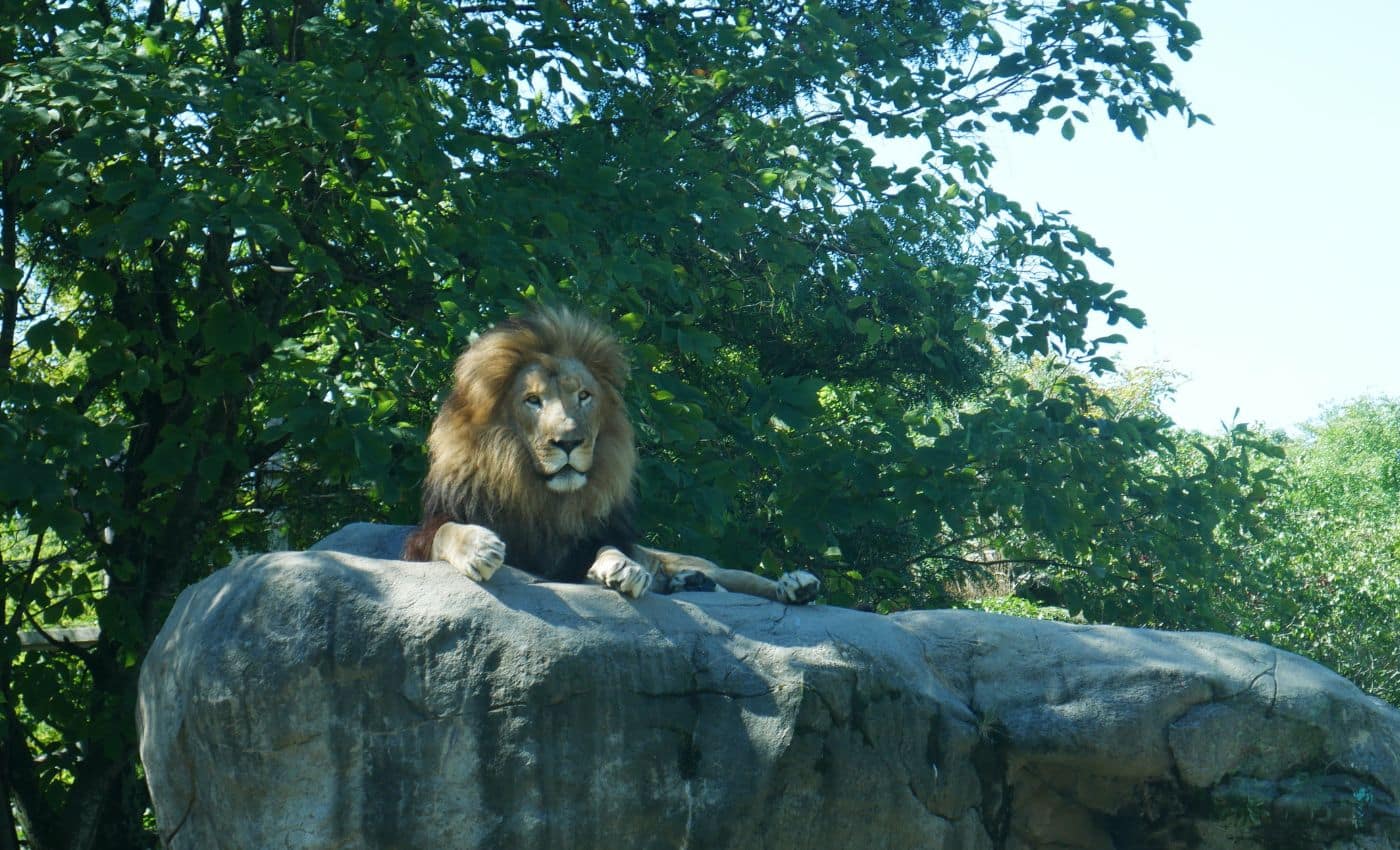
Lion Kingdom (formerly Kalahari Kingdom) takes you straight to the heart of Africa. This habitat has been home to the zoo’s African lions. After Dinari, the last lion, died in October 2026, the space is temporarily empty, and the zoo has announced it will welcome new lions in the future.
While you wait for the new lions, don’t miss the red river hogs, lowland nyala, Bactrian camel, spotted hyena, and African spurred tortoise, which together make this a diverse and beautiful setting.
Outback Trail

A visit to Franklin Park Zoo in Boston wouldn’t be complete without the fascinating native species of Australia and Oceania. Get ready to meet the energetic emu, the friendly kookaburra, the curious red-necked wallaby, and the agile gray kangaroo. You can also spot the elusive brown kiwi, among other residents that make you feel like you’re exploring a one-of-a-kind corner of the animal world.
Raptor Ridge
In this habitat, the sheer scale of the birds of prey grabs you right away. The Andean condor, the largest bird of prey in the world, is the undisputed star. With its massive wings spread, it seems to rule the sky even while resting on a rocky ledge. Its presence carries a power and calm that’s hard to match.
Then there’s the Steller’s sea eagle, one of the rarest and most impressive birds on the planet. Its huge size and piercing gaze make you stop and take in every detail. It’s the largest of all sea eagles, no question, and a sight you won’t soon forget.
The tropical forest is one of the richest and most diverse ecosystems on the planet! Among the mammals, you’ll find western lowland gorillas, the pygmy hippo, Baird’s tapir, and ring-tailed lemurs. And don’t forget the adorable sloth, which takes life slow and spends most of its time hanging from the trees.
Light Show at the Boston Zoo

The Boston Lights festival is an annual event that turns Franklin Park Zoo into a show of lanterns and lights. Every edition adds new displays, giving it a special touch you won’t want to miss. Each corner of the zoo becomes a fantasy world, with animal figures, flowers, and landscapes glowing in the dark. It’s perfect for families, friends, or a date night. Don’t miss it: a night full of magic and surprises awaits you at the Boston Zoo’s light festival!
Season and Hours
Get the season details at the Boston Zoo and plan your visit so you can enjoy everything it offers.
- Dates: mid-August to early November (the 2026 edition ended on November 8).
- Hours:
- Hours: 5 p.m. to 10:30 p.m. during the final stretch of the season (in August and September it usually opens at 6 p.m.); check the hours for each date on the official website.
Highlights
Recent editions of Boston Lights featured some of the most popular displays, the ones that have turned the festival into an annual event many people look forward to. Each new edition brings fresh elements that catch the eye of anyone looking for something more.
- Traditional Chinese lanterns: including the “Kun,” a 76-foot fish inspired by Chinese mythology.
- Enchanted garden: paths, arches, and tunnels decorated with glowing flowers and colorful butterflies.
- Underwater world: jellyfish, sea turtles, and a giant 115-foot octopus.
- Interactive ocean tunnel: set off a volcanic eruption of light with a single touch.
Tickets
The light festival at the Boston Zoo offers different ticket options to fit your needs. Here are the details:
- Adults (13 and up): prices vary by date; check the current rate on the official website.
- Children (ages 2 to 12): prices vary by date (kids under 2 get in free).
- Large groups and college students: discounts available on select days.
Keep in mind that prices may vary depending on the date and time of your visit. We recommend buying tickets in advance to get the best price and time slot.
Tips to Keep in Mind Before You Go
Here are a few tips to make your visit to Franklin Park Zoo in Boston as enjoyable as possible.
- Buy your tickets in advance: you’ll skip the long lines and lock in your entry, especially on busy days.
- Dress comfortably: wear good walking shoes and clothes suited to the weather. On sunny days, bring a cap and sunscreen.
- Stay hydrated and pack snacks: there are places to buy food inside the zoo, but it’s a good idea to carry a water bottle and a few healthy snacks.
- Check the zoo map: get familiar with the layout so you can plan your route and not miss the exhibits you care about most.
- Respect the animals: don’t feed them, and follow the staff’s instructions so everyone stays safe.
- Join the educational activities: the zoo’s talks and demonstrations are a great way to learn more about these species and their habitats.
- Bring a camera: capture the special moments of your visit, but skip the flash near the animals. You don’t want to scare them!
- Go early: you’ll see the exhibits with smaller crowds and catch the animals while they’re most active.
- Check the official website: for hours, rates, and the latest information, we recommend checking the Boston Zoo’s website.
We hope these tips come in handy. Enjoy your visit to the Boston Zoo!
Map
Find the Boston Zoo’s location on the map below, and check out what to do downtown to make the most of your trip.
FAQs About Visiting the Boston Zoo
Here are answers to the most common questions from visitors to the Boston Zoo.
How long does a visit to Franklin Park Zoo take?
A visit to Franklin Park Zoo in Boston usually takes 2 to 4 hours, depending on your pace and how much time you spend at each exhibit. If you want to enjoy the activities and explore without rushing, plan on about 3 hours to see it comfortably.
Is Franklin Park Zoo safe?
Yes, the Boston Zoo is a safe place for visitors. The zoo takes safety measures to protect both animals and people, and it has trained staff and protocols in place to handle any situation.
Does Boston have a good zoo?
Yes, Boston has one of the most appealing zoos in the United States. Franklin Park Zoo is one of the city’s standout attractions, with a wide range of exhibits, spacious areas, and a rich diversity of animals.
Hey, traveler! We hope this article was helpful. Enjoy your time at the Boston Zoo, and don’t miss our post on the best places to visit in the city. See you next time!


